
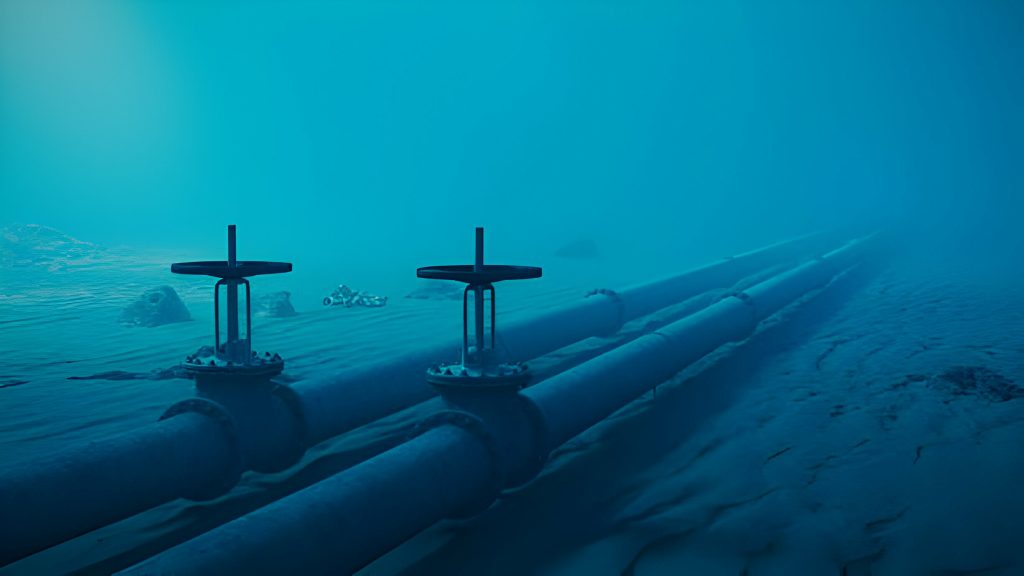
Marine construction, whether it’s building underwater tunnels, installing offshore energy structures, or constructing bridges and piers, presents unique and complex challenges. Among these challenges, visibility, pressure, and depth are three of the most significant factors that influence safety, efficiency, and the overall success of underwater construction projects. Understanding and addressing these challenges is crucial for engineers, divers, and construction teams working in these extreme environments.
This article delves into how marine construction professionals deal with the challenges posed by visibility, pressure, and depth.
1. Dealing with Visibility in Marine Construction
Challenges of Visibility:
Visibility in underwater construction is often extremely limited due to suspended sediments, water turbidity, and the inherent darkness of the ocean or sea. For most underwater tasks, clear sight is essential for both precision and safety. In addition to suspended particles, factors like algae bloom, weather conditions (such as storms), and working in deep waters can reduce visibility significantly.
Key Issues:
- Limited Light Penetration: Water absorbs and scatters light, reducing visibility with depth. The deeper the water, the darker it gets.
- Sediment Suspension: Construction activities, like dredging or drilling, stir up the seabed and create clouds of sediment that make it difficult to see.
- Marine Growth: Biofouling (the accumulation of organisms like algae, barnacles, and mollusks on surfaces) can obscure the view on underwater cameras and equipment.
Solutions and Technologies:
- Advanced Lighting Systems: Using high-intensity lights that are specifically designed for underwater environments helps illuminate work areas, allowing divers and robotic vehicles to see better. LED lights are commonly used due to their durability and energy efficiency.
- Sonar and Echo Sounding: For navigation and mapping, sonar technology is often employed. Side-scan sonar and multibeam sonar are used to create detailed images of the seafloor and submerged structures, providing an accurate view of the environment when visual inspection is not possible.
- Underwater Cameras with Enhanced Imaging: High-resolution cameras with low-light capabilities and specialized filters help improve visibility and image clarity.
- Silt Curtains: These physical barriers trap sediments around the construction site, limiting the spread of turbidity and improving visibility in the immediate area.
- Robotic Solutions: ROVs (remotely operated vehicles) and AUVs (autonomous underwater vehicles) are equipped with specialized vision systems, including infrared cameras and sonar, that help provide clear visual feedback in low-light or poor-visibility environments.
2. Dealing with Pressure in Marine Construction
Challenges of Pressure:
As construction activities move deeper beneath the water’s surface, the pressure exerted on materials and equipment increases exponentially. For every 10 meters of depth, the pressure increases by approximately one atmosphere (1 ATM), or 14.7 pounds per square inch (psi). At significant depths, the pressure can reach thousands of psi, which can affect both human workers and construction materials.
Key Issues:
- Equipment Failure: Equipment not designed to withstand high pressure can fail, leading to costly delays and safety risks.
- Pressure on Construction Materials: Materials used in underwater construction must be resistant to deformation or failure due to the immense pressure. For instance, concrete can crack, and metal structures may bend or corrode under high-pressure conditions.
- Diver Safety: For human divers, exposure to high pressures is dangerous without proper precautions. Issues like decompression sickness (the bends) occur when divers ascend too quickly after spending extended periods at high pressure.
Solutions and Technologies:
- Pressure-Resistant Equipment: Tools, machinery, and vessels used in deep-sea environments must be designed to withstand the high pressure. Submersible construction robots, such as ROVs, are built with pressure-proof housings to protect their sensitive electronics and systems.
- Specialized Materials: In order to resist deformation and failure under pressure, materials such as high-strength steel, titanium alloys, and reinforced concrete are commonly used. Additionally, coatings like epoxy are applied to prevent corrosion from saltwater under pressure.
- Saturation Diving: For deep dives, saturation diving allows workers to remain at depth for prolonged periods while maintaining safety. Divers use a specially designed hyperbaric chamber to adjust to pressure changes gradually, preventing the dangers of decompression sickness.
- Decompression Protocols: Divers must follow strict decompression schedules when ascending from depths. These schedules are carefully planned to ensure the safe release of dissolved gases, such as nitrogen, in the bloodstream.
- Automated Construction Systems: Remote and autonomous systems, like robotic arms or drones, are increasingly being used in deep-sea construction projects, minimizing the risk of human exposure to high pressures.
3. Dealing with Depth in Marine Construction
Challenges of Depth:
Depth introduces numerous technical and logistical challenges in marine construction. As depth increases, the environment becomes more extreme, making it harder to deploy equipment, conduct inspections, and perform the work safely and efficiently.
Key Issues:
- Limited Accessibility: The deeper the construction site, the harder it becomes to access with traditional construction machinery and human workers. Specialized vessels, submersibles, and diving systems are often required for deep-water projects.
- Material and Equipment Handling: Lifting, transporting, and placing construction materials at great depths is a logistical challenge, requiring specialized cranes, lifting systems, and often bespoke delivery mechanisms.
- Construction Precision: Achieving precise measurements and maintaining the correct alignment of underwater structures at great depths becomes difficult due to the weight and movement of large materials and equipment.
Solutions and Technologies:
- Remote Sensing and Mapping: In deep-water construction, accurate mapping and site assessment are critical. Sonar-based mapping systems (such as multibeam sonar) help to understand the topography of the seabed and the condition of existing structures before construction begins.
- Specialized Subsea Equipment: Deep-water construction requires custom-built equipment such as deep-sea cranes, subsea drilling rigs, and buoyancy-controlled lifting systems to handle materials and equipment at extreme depths.
- Robotic Automation: ROVs and AUVs can perform tasks at great depths, such as inspecting structures, taking measurements, or assembling components. These robotic systems are equipped with advanced sensors and cameras, allowing them to work autonomously or under the supervision of a remote operator.
- Modular Construction: Pre-fabricated modular components can be assembled on land and then lowered into position at deep depths, reducing the complexity of working on-site at extreme depths.
- Artificial Intelligence (AI) for Precision: AI-driven systems and drones can perform construction tasks at great depths with exceptional precision, allowing for reduced human intervention and better results in complex tasks such as welding or material placement.
4. Conclusion
Dealing with visibility, pressure, and depth in marine construction requires a combination of cutting-edge technologies, specialized equipment, and well-trained personnel. The challenges are formidable, but advancements in robotics, materials science, and remote sensing are helping engineers and construction teams overcome them.
By using high-tech solutions like sonar, ROVs, specialized diving equipment, and advanced materials, underwater construction projects can be completed safely and effectively, even in the most extreme conditions. Whether building oil rigs, offshore wind farms, or subsea tunnels, the future of marine construction is increasingly driven by innovation and a commitment to overcoming the challenges posed by the underwater environment.